
Our Products Category
Different Products and 3 Categories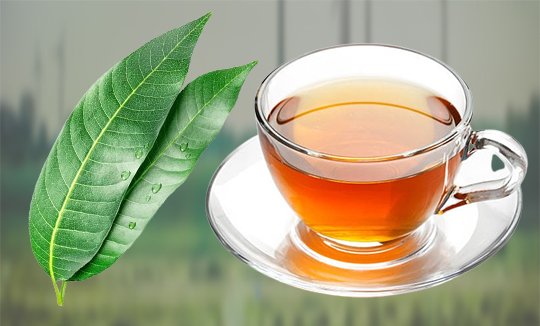
Aam leaves
Ayurvedic scholars have cited that “आम्रस्य पल्लवो रुच्य: कफ पपत्त पवनाशन:” i.e., Mango leaves promote taste and alleviate Cough and Pitta..
Read More
Learn More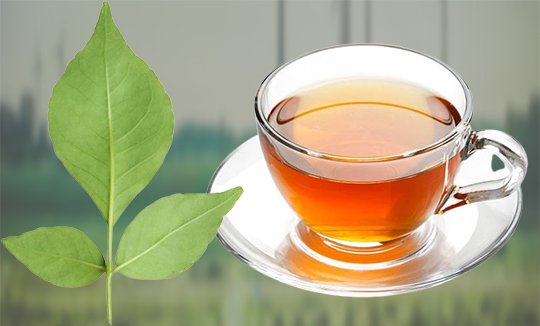
Bel leaves
बिल्वपत्रन्तु ….प्रमेहघ्नं ह्दयं शोधहरं परम्” i. e., Bel leaves are used to balance the body and relieve chronic conditions like diabetes, asthma, cataracts, hearing loss, and heart disease.
Read More
Learn More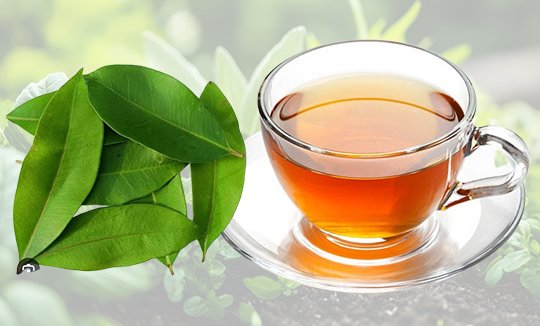
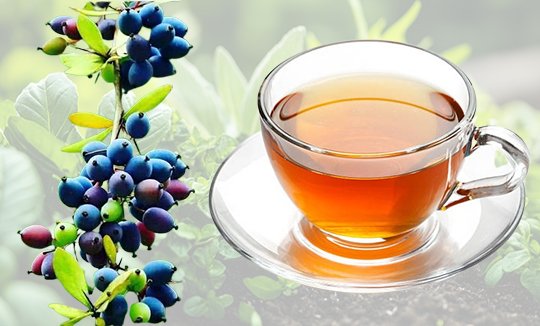
Jamun leaves
The decoction of Jamun leaves (Syzygium cumini) is widely used in traditional Ayurvedic medicine to manage blood sugar levels, improve digestion, and support metabolic health...
Read More
Learn More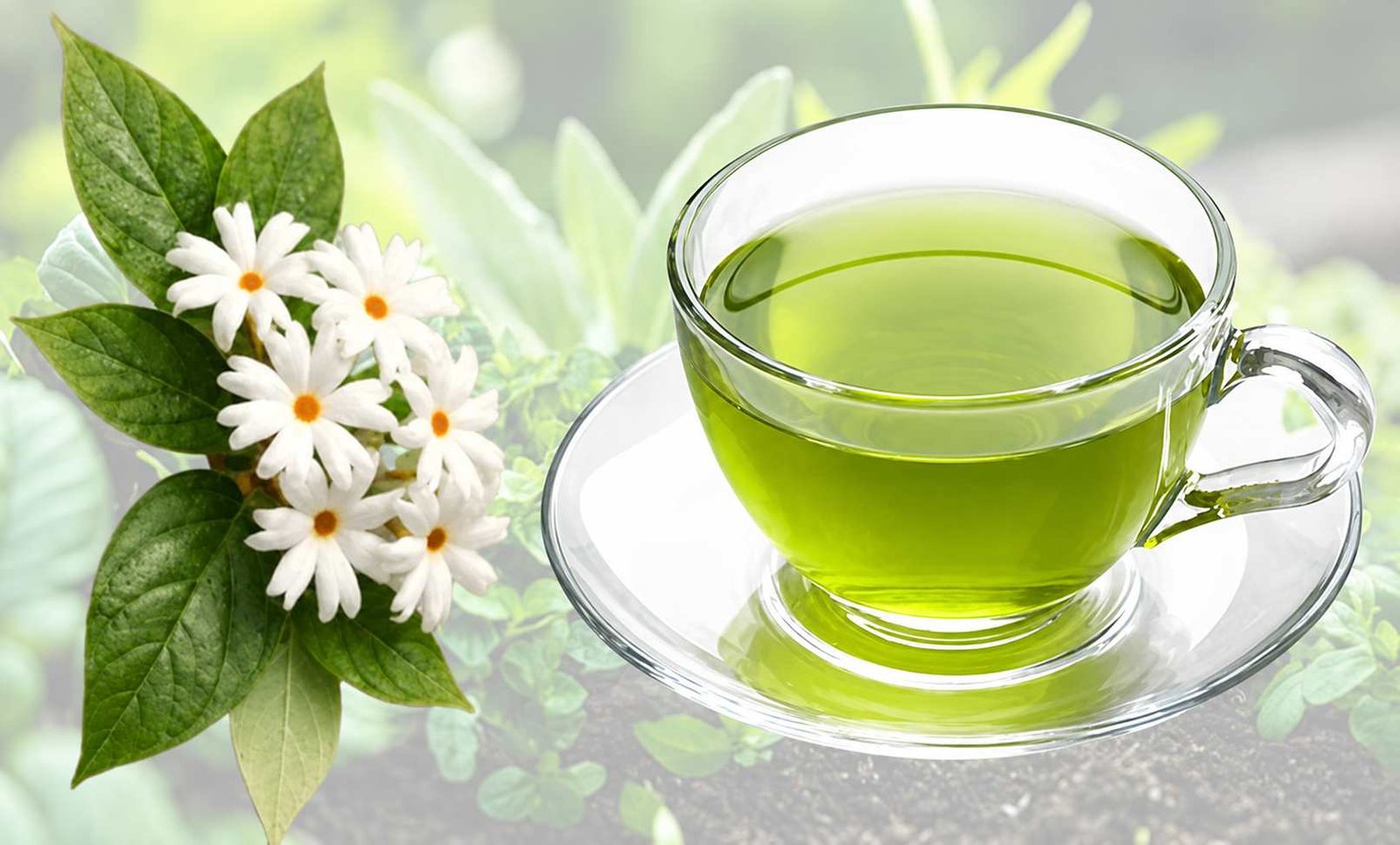
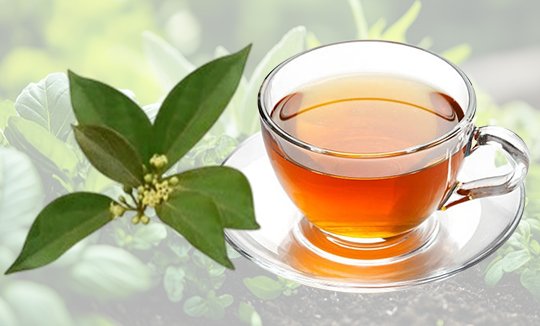
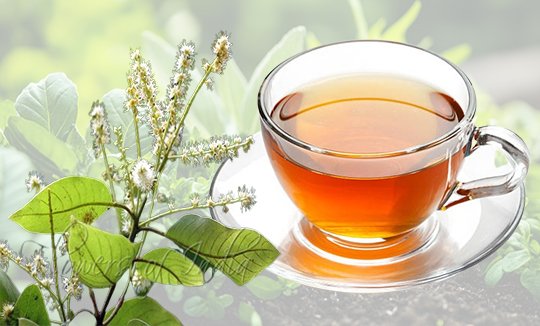
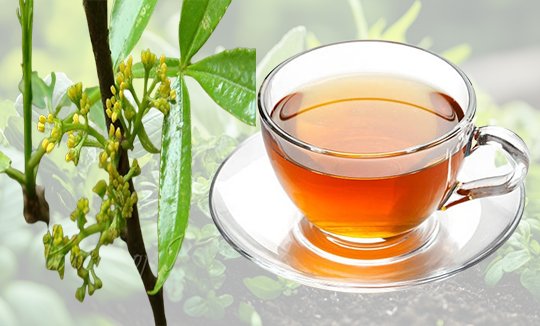
Harsingar leaves
Harsingar (Parijat or Night Jasmine) (Nyctanthes arbor-tristis L.) leaf decoction is used in Ayurveda to treat sciatica-like problems. Ayurveda calls this therapy ‘Gridhrasi Chikitsa’.
Read More
Learn More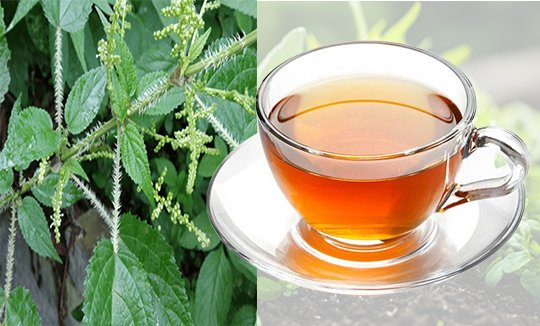
Nettle
Traditionally, nettle has been used as food, cosmetics, and for medicine. Its leaves and stalks are a rich source of vitamins A, B, and C, minerals (iron, potassium, calcium, magnesium, etc.), and polyphenols. The aerial parts of nettle have anti-inflammatory and therapeutic effects and is used to treat arthritis, anemia, allergies, joint pain, and urinary tract infections. They have a diuretic effect and are used to strengthen hair.
Read More
Learn More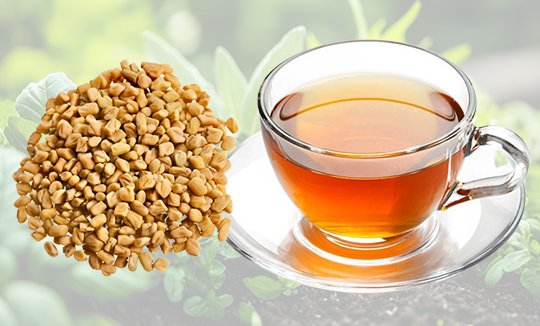
Fenugeek Leaves
Methi (Trigonella foenum-graecum L.) infusion (cold soak), an Ayurvedic beverage, in the morning on an empty stomach to improve metabolism, control blood sugar levels, enhance insulin sensitivity, and slow carbohydrate and fat absorption. They also help curb appetite and reduce lipid levels.
Note: Expecting mothers or people taking blood sugar-lowering medications should check with a doctor first.
Read More
Learn More

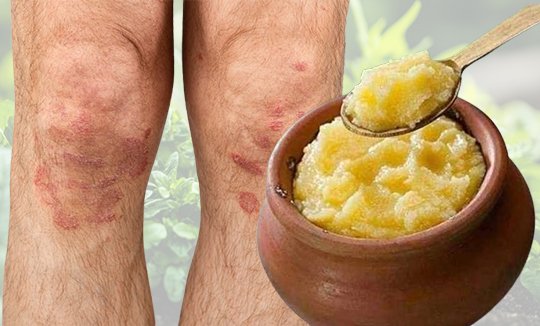
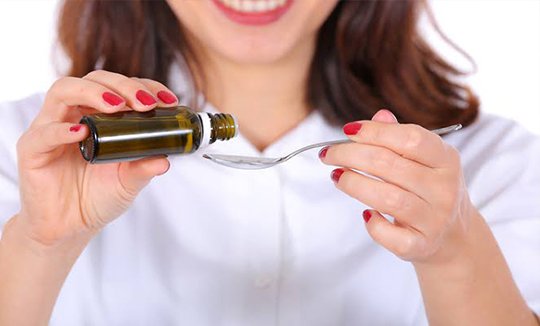
Oral Health Oil
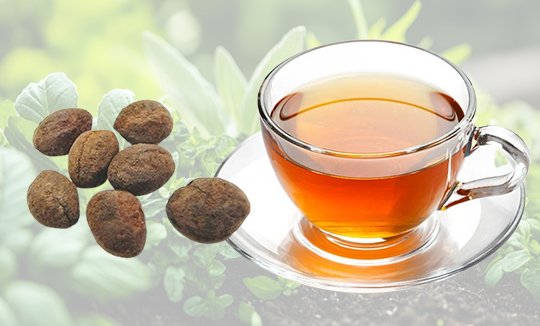
In the Ayurvedic practice known as 'Kaval Graha' or 'Gandush', edible oil is swished around in the mouth to maintain oral hygiene. Nowadays, dentists primarily view this as a supplementary procedure rather than a substitute for brushing and flossing. We use an Ayurvedic oil rich in lauric acid, which also contains volatile compounds from Timur (Zanthoxylum armatum), an Ayurvedic herb.
Read More
Learn More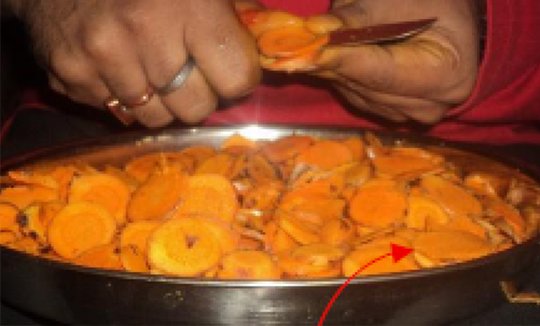
Haldi Pudi
Haldi (Curcuma longa L.) is used as a spice in Asian cuisine and as a medicinal herb to treat inflammation, pain, wound healing, a sore throat, and digestive disorders. Preclinical research has shown that turmeric and its bioactive curcuminoid polyphenols can affect a variety of chronic conditions, and the chemical composition of curcuminoids remains intact even after heat treatment.
Read More
Learn More